
Ethiopia Cuts Bitcoin Miners to 23% Power as Dams Run Low—October Review Could Squeeze Harder
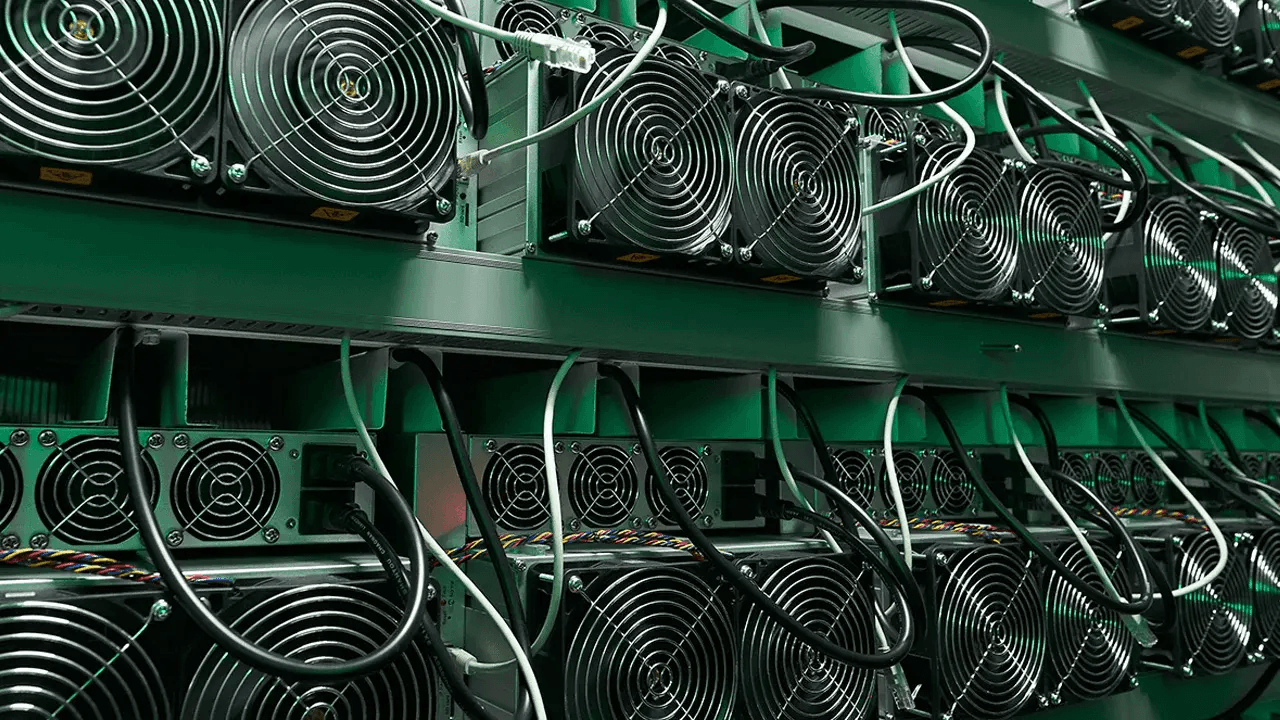
The squeeze is on. Ethiopia has cut electricity deliveries to bitcoin miners to 23% of their contracted supply as reservoir inflows fall, Bloomberg reported, citing Ethiopian Electric Power (EEP) CEO Ashebir Balcha via reporter Fasika Tadesse.
From 75% to 50% to 23%
According to Bloomberg’s reporting, miners have been progressively rationed—from roughly 75% of contracted power to 50%, and now 23%. The same report noted contracts had promised miners at least 98% of agreed electricity, leaving operators far short of expectations.
Big load, big customer
Per Bloomberg, Ethiopia has agreements with 39 distinct mining companies, 31 of which are operating. Miners have grown to consume roughly a third of the country’s electricity while contributing about 35% of EEP’s revenue, paying in foreign currency. Electricity available to miners had been around 3.2 cents per kilowatt-hour, Bloomberg reported.
Hydropower shortfall drives rationing
The source material states that El Niño reduced inflows into Ethiopia’s dams by about 20%, prompting EEP to ration power. Hydropower supplies roughly 95% of Ethiopia’s electricity, and inflows into the country’s 21 dams have reportedly dropped, including at the Grand Ethiopian Renaissance Dam (GERD). GERD generated 18.3 terawatt-hours last year—about 52% of Ethiopia’s electricity—while EEP has said declining reservoir levels have cost some generating units as much as 50 megawatts each.
October could tighten the vise
Bloomberg, citing EEP’s CEO, reports the utility will reassess miners in October. If reservoir inflows don’t improve, deeper cuts to mining loads are possible, and power exports to neighboring countries could also face restrictions. EEP has already cut its electricity-export revenue forecast by 40% to $279 million, according to the same report.
Scale, stakes, and network impact
The share of global computing power at stake is limited: HashrateIndex estimates Ethiopia accounts for around 2.4% of global hashrate, or roughly 23 exahash per second. Business Insider Africa has estimated that mining one bitcoin in Ethiopia consumes about 6.4 million kilowatt-hours—roughly the annual electricity use of 14,950 average Ethiopian households. The source material also notes that about half of Ethiopia’s population lacks electricity access.
For miners built around inexpensive hydropower in Ethiopia, the October review may determine whether machines regain power—or sit idle even longer.