
Bitdeer Is Adding Bitcoin Mining Power as AI Drains Megawatts From the Industry
Bitdeer is expanding its bitcoin mining footprint at a time when many mining companies are steering power capacity toward artificial intelligence and high-performance computing.
Under a deal announced Aug. 25, Bitdeer subsidiary Dory Creek will deploy company-owned Sealminer A2 Pro Air machines at Soluna’s Project Kati 1 in Willacy County, Texas. The installation is scheduled to begin in September 2026 and ramp in batches inside Kati 1’s K1BC phase.
The deployment is expected to use 28 megawatts and add about 1.93 exahash per second of mining capacity.
A shared-revenue mining model
The arrangement is not described as a standard hosting contract. Soluna will provide the site, power and daily operations, while Bitdeer will supply and own the mining machines.
Instead of Soluna collecting a conventional hosting fee, the companies will split bitcoin mining proceeds from the deployment, according to the source material. That gives Soluna exposure to mining economics without buying the ASIC machines itself, while Bitdeer gains added hashpower without building a new power site from scratch.
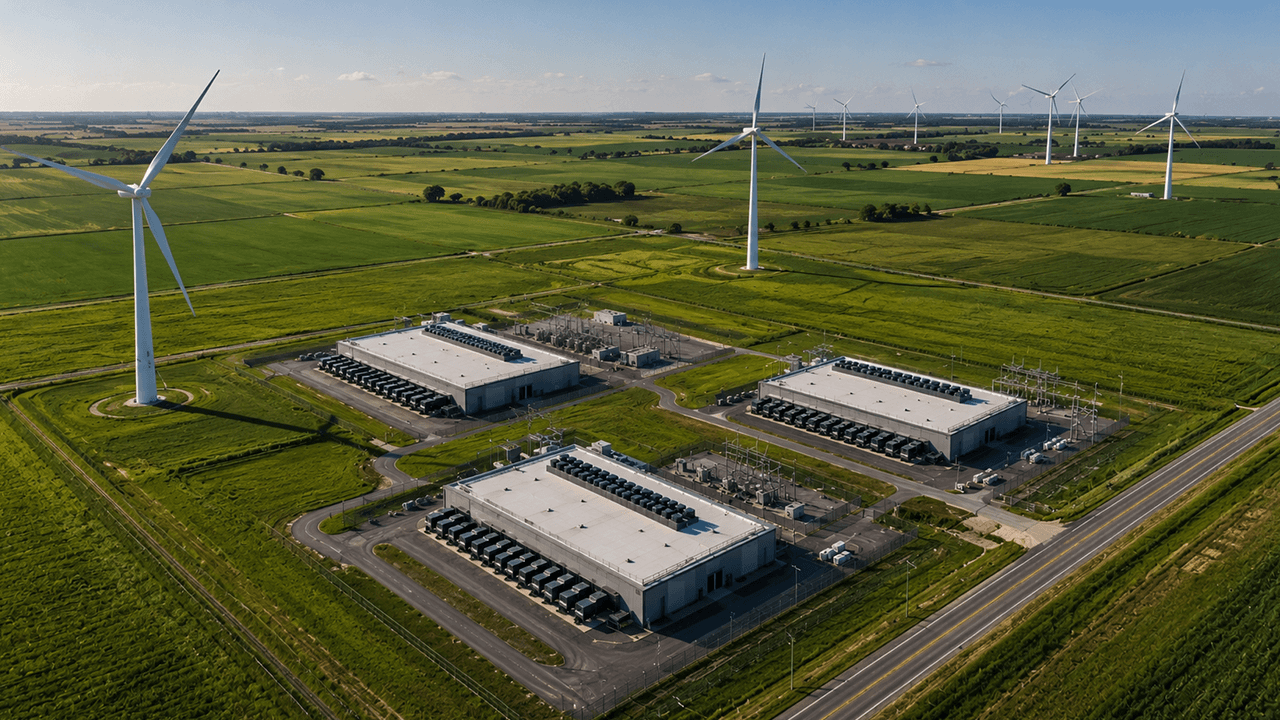
Project Kati 1 is an 83 MW wind-powered data center. Soluna reported that the facility recorded its first gross profit in the second quarter of 2026.
Bitcoin mining continues beside Bitdeer’s AI push
The agreement comes as bitcoin miners increasingly evaluate AI and HPC opportunities for their power portfolios. Bitdeer is also pursuing that market, but the Soluna deal shows the company is still adding bitcoin mining capacity.
In its June 2026 operational update, Bitdeer reported 73 EH/s of self-mining capacity and another 15.9 EH/s committed to co-mining. The company said it controlled about 243,000 self-mining rigs and produced 990 bitcoin in June, up 388% year over year. Second-quarter production totaled 2,694 bitcoin.
The source notes an important distinction in Bitdeer’s recent operational updates: some bitcoin production figures tied to customer operations may represent BTC mined for Bitdeer customers rather than bitcoin retained by the company.
Bitdeer is also building a larger AI business. Its plans include Nvidia GB300 NVL72 computing capacity in Malaysia, where a five-year agreement covering roughly half of a 9.5 MW facility is tied to about $400 million in contracted revenue. The company is targeting up to 350 MW of AI cloud data center capacity by the first quarter of 2028.
Bitdeer also has a $4.7 billion, 16-year AI and HPC lease covering 121 MW of information technology capacity in Tydal, Norway, according to the source material.
Soluna keeps Kati 1 focused on mining
For Soluna, the Bitdeer agreement keeps Kati 1 tied to bitcoin mining rather than converting the site into an AI-focused GPU facility.
Galaxy Digital already occupies 48 MW at Kati 1 for bitcoin mining operations, and Bitdeer’s deployment is expected to use much of the remaining mining capacity at the campus.
Soluna’s separate Kati 2 and Dorothy 3 projects are being positioned for AI and HPC development. That structure lets Soluna pursue AI demand while keeping Kati 1’s existing bitcoin mining role intact.
The next milestone is the scheduled September deployment. Investors and industry watchers will be looking at how quickly the 28 MW comes online, how the shared-revenue model performs, and whether similar co-mining structures gain traction as bitcoin mining and AI compete for access to large-scale power.