
Bitcoin Miners Are Using 30% of Paraguay’s Power — and Analysts Warn the Grid Could Hit a Breaking Point by 2029
Paraguay’s Bitcoin mining boom is colliding with a warning from energy analysts: the country’s grid could face serious stress by 2029 if mining demand keeps growing and power generation remains stagnant.
At the recent “Accelerating Bitcoin” conference, analysts discussed how mining operations are affecting Paraguay’s electricity system, according to the source report. The concern centers on a striking claim from energy researcher Victorio Oxilia, who said Bitcoin mining now consumes about 30% of Paraguay’s total energy use.
A hydropower advantage becomes a pressure point
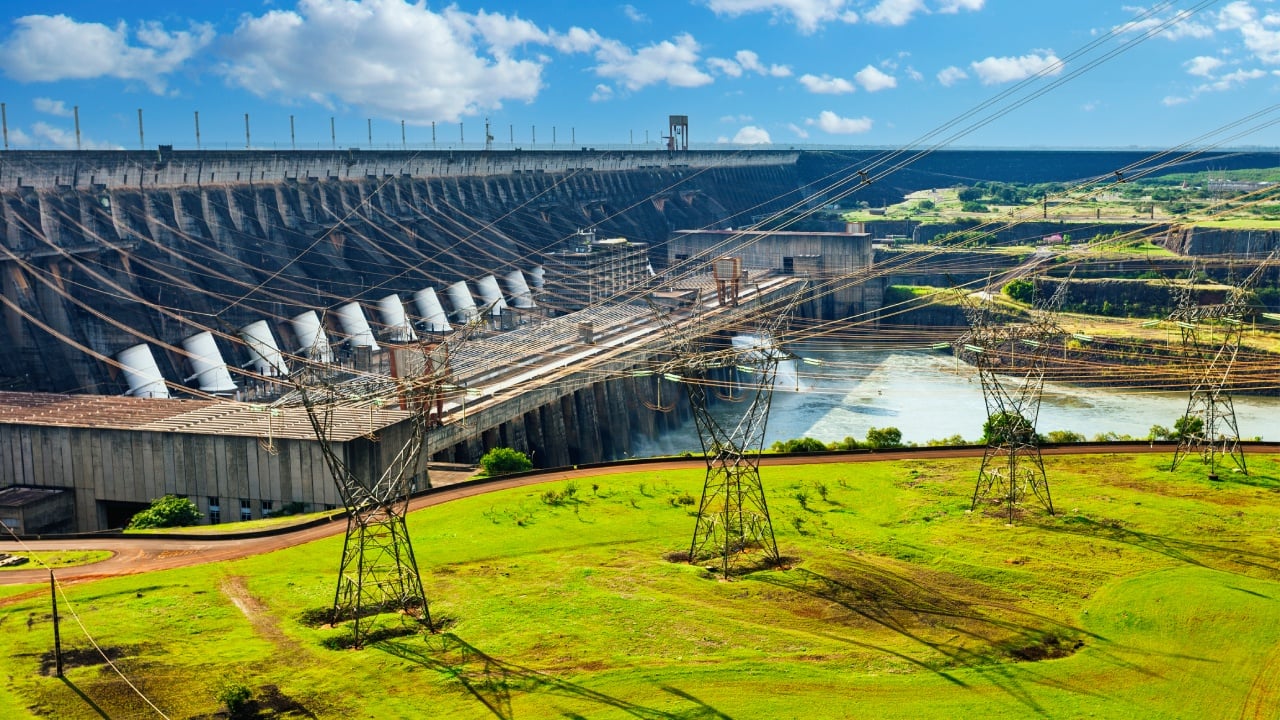
Paraguay has attracted Bitcoin miners because its electricity supply is based on renewable hydroelectric power. Oxilia said mining activity consumes the equivalent output of about one and a half turbines at the Itaipu dam, one of the world’s largest hydroelectric facilities.
That demand is now raising questions about whether Paraguay can preserve its long-term energy independence while accommodating industrial-scale mining growth.
The timeline matters. Energy contracts signed with mining companies in Paraguay are set to expire in 2027, and it remains unclear whether those agreements will be extended.
Analysts point to stagnant generation and a funding gap
The warning is not new. Julio Fernández, head of the Center for Economic Studies of the Paraguayan Industrial Union, issued a similar alert last year, saying a blackout could be ahead if no action was taken, according to the source.
Analysts cited in the report say power demand continues to climb while new generation has lagged. The only large infrastructure project mentioned, Aña Cuá, is expected to add 135 megawatts — a level described as insufficient to cover rising consumption.
Cecilia Llamosas, another analyst cited in the report, said Paraguay may need to invest between $11 billion and $15 billion over the next 13 years to meet future electricity demand. She also pointed to a broader investment problem, saying the country has seen virtually no energy investment over the last 50 years.
Mining demand may be easier to manage than household demand
Llamosas also offered an important caveat: Bitcoin mining demand can be flexible. Mining operators can reduce or increase consumption depending on grid conditions, unlike residential demand, which follows more fixed daily and seasonal patterns.
That flexibility could make mining load easier for grid operators to manage during peak hours. But it does not eliminate the larger concern over total demand, infrastructure needs and the future of Paraguay’s energy contracts with miners.
Authorities target illegal power use
Paraguayan authorities have also intensified enforcement against illegal electricity use tied to Bitcoin mining. The source report says officials have pursued energy theft cases and registered convictions for such crimes.
The emerging picture is not simply a clash between Bitcoin miners and the grid. It is a broader test of whether Paraguay can convert its hydropower advantage into sustainable industrial growth without creating a new energy vulnerability.