
Oil spikes on Middle East strikes; Bitcoin clings to $78,300

Bitcoin fell below $78,000 at Tuesday’s Wall Street open as risk assets weakened alongside a jump in oil tied to renewed Middle East tensions.
TradingView data cited in coverage showed BTC/USD touching $77,600 before a modest rebound, its lowest since Sept. 3.
Oil surges, stocks dip on reported strikes
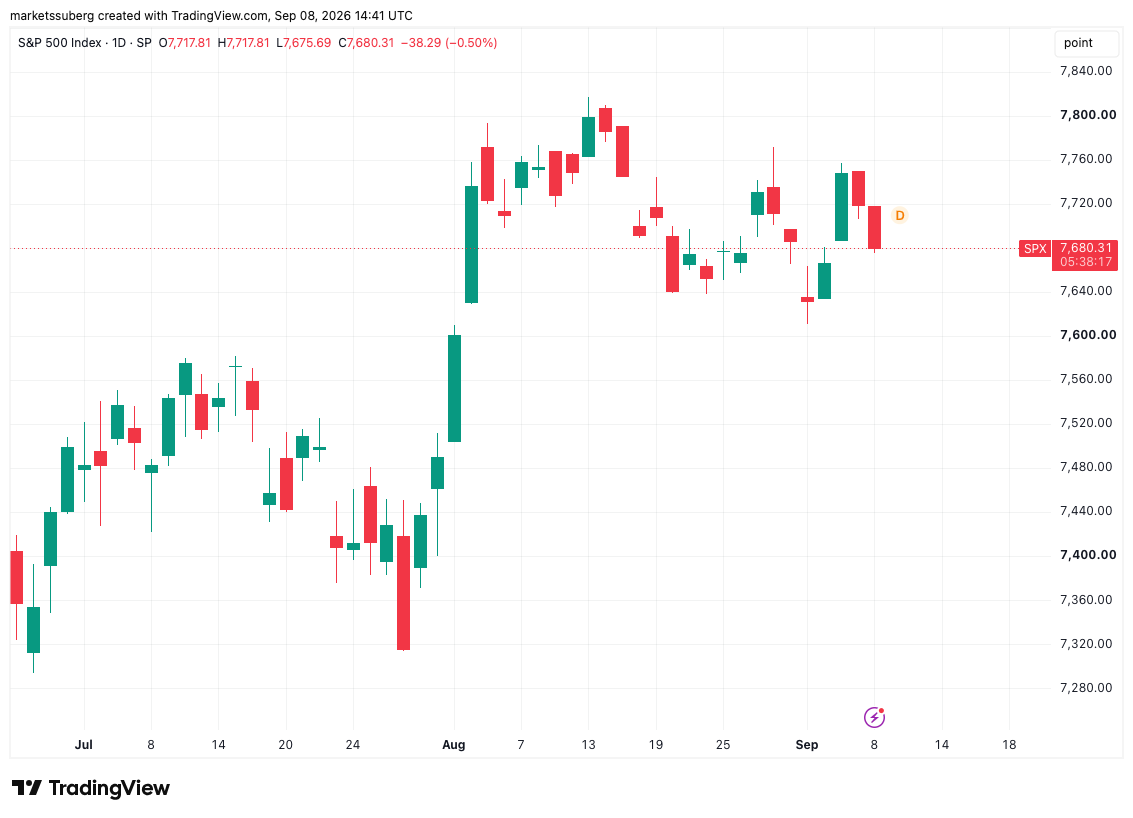
Reports of Houthi strikes on Saudi Arabian cities and oil infrastructure pressured U.S. equities at the first session after Labor Day. At the time of writing cited by the source, the S&P 500 and Nasdaq Composite were down about 0.5% and 0.4%, respectively.
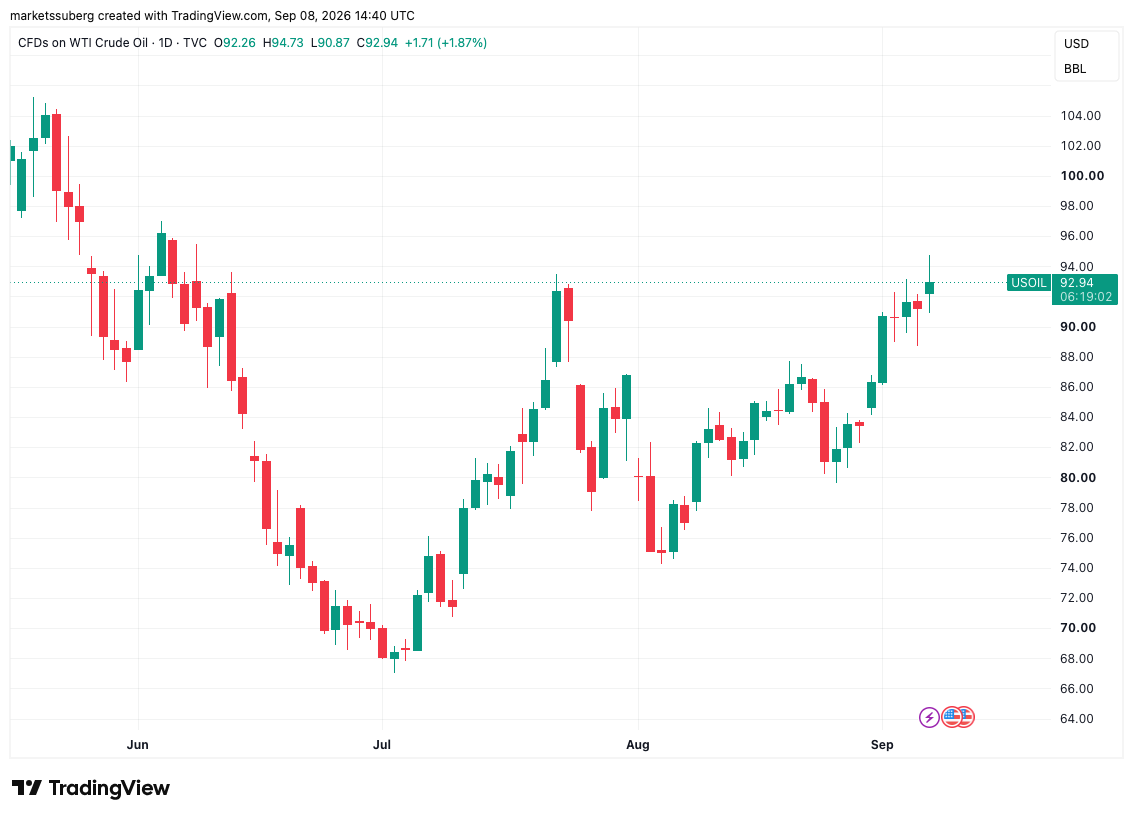
Oil moved more sharply. West Texas Intermediate (WTI) crude approached $95 per barrel—its highest since June 8—while Brent crude targeted $100, according to charts credited to Cointelegraph/TradingView.
Commenting on a concurrent record rise in U.S. diesel prices, market newsletter The Kobeissi Letter wrote that “inflation expectations continue to mount as a result.” As previously reported by Cointelegraph, the Consumer Price Index (CPI) is due for release on Friday.
In a Truth Social post on Monday, Donald Trump downplayed the oil spike and pledged lower prices ahead: “Oil prices will drop precipitously, like everything else is dropping (but more!), when we WIN the war with Iran. Three Dollars a gallon, but ultimately, below Two Dollars a gallon.”
Why $78,300 matters now
Trader and analyst Rekt Capital compared the current move with Bitcoin’s failed breakout in May. Then, BTC/USD reached about $82,800 before reversing, consolidating around $78,300, and later slipping to new macro lows near $57,000, the analyst noted on X.
“The retest of ~$78300 is now in progress,” Rekt Capital wrote. In separate X analysis, the account added: “Ultimately, a Weekly Close below $78300 followed by a bearish retest just like in early May would likely confirm a breakdown.”
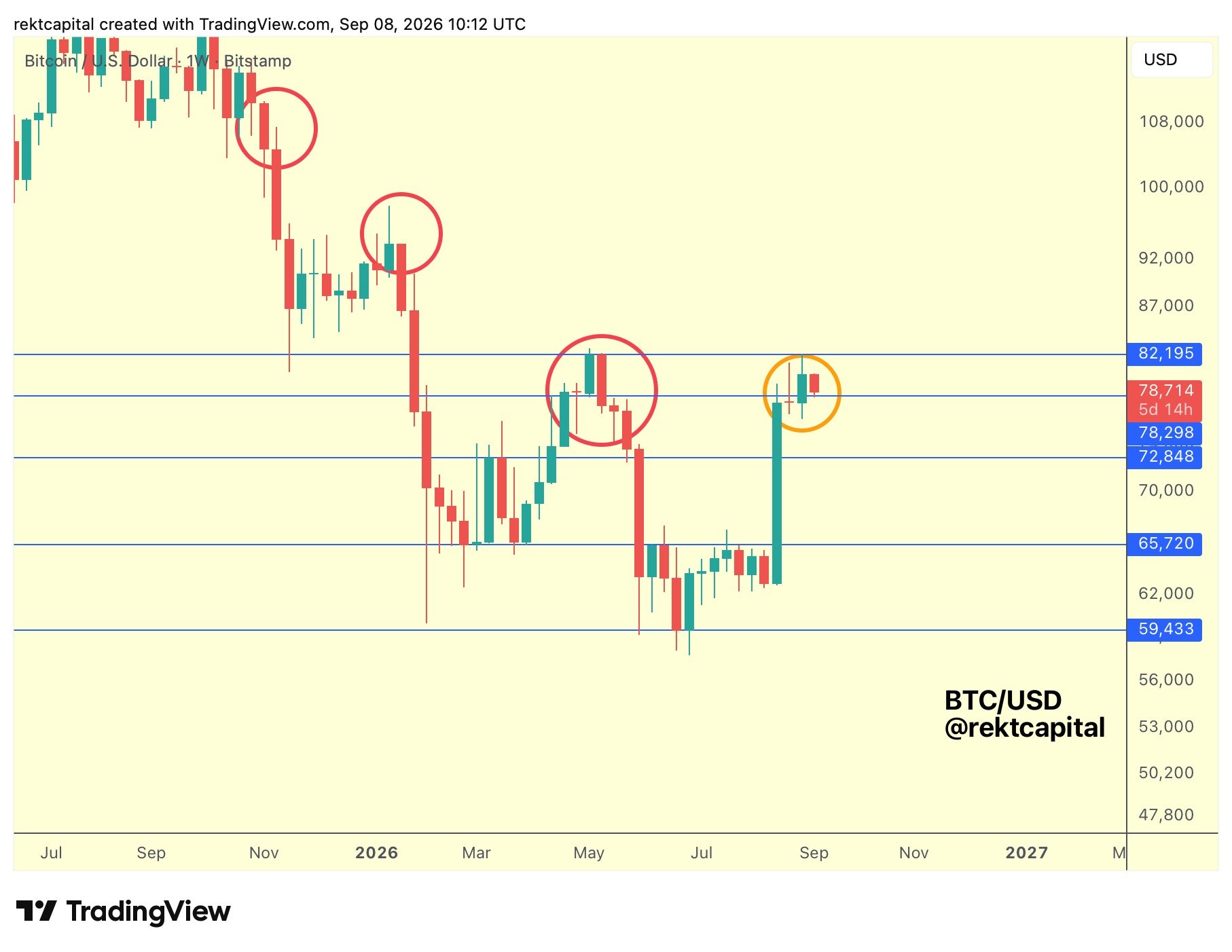
Rekt Capital further argued that, if the zone fails, BTC/USD would mark another lower high “in a series stretching back to October 2025,” keeping a “2026 bear market” framework intact—an analytical view, not a confirmed outcome.