
EU Carbon Costs May Be Pushing Bitcoin Mining Power Toward Russia, but 2025 Bans Could Break the Strategy
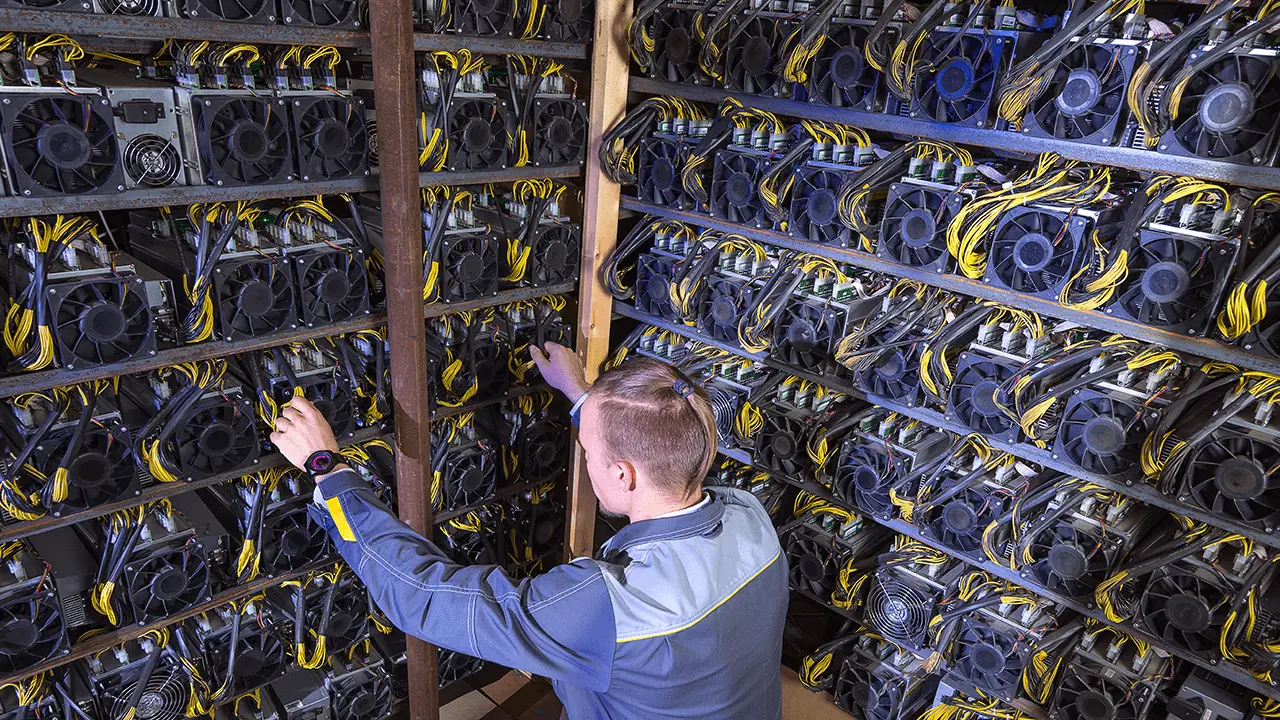
A new study argues that Europe’s carbon pricing may be shifting some bitcoin mining activity toward Russia, raising fresh questions about whether climate rules can push emissions across borders instead of reducing them.
The study, titled “Does Carbon Pricing Displace Crypto-Mining Emissions? Quantile Evidence on Carbon Leakage from EU27, Russian and Rest-of-World Power Grids,” was published by Pham Ngoc Toan, Le Tran Trung Hieu, and Nguyen Vu Trung Nguyen.
The researchers examined daily power-sector emissions from the EU, Russia, and the rest of the world from 2019 to 2025, then compared those figures with bitcoin daily closing prices.
What the study found
According to the study, higher EU carbon allowance prices and higher bitcoin prices were statistically associated with increased emissions in Russia during certain off-peak periods.
The authors interpret that pattern as possible evidence of “carbon leakage” in bitcoin mining: activity may decline in a higher-cost jurisdiction such as the EU and increase in a lower-cost jurisdiction such as Russia.
The same relationship was not found between the EU and the rest of the world, which the study presents as making the Russia-specific finding more notable.
Operational switching, not proven relocation
The study does not claim to have observed mining machines physically moving from Europe to Russia.
Instead, it suggests a more limited possibility: mining companies with equipment in both places may shut down EU rigs and turn on Russian rigs when EU carbon costs and bitcoin prices make that switch more profitable.
That distinction matters because the finding is based on statistical relationships in emissions and market data, not direct evidence of company-level decisions or hardware transfers.
Russia’s rules may limit the shift
Russia’s lack of an EU-style carbon pricing system may make mining more profitable there, according to the study’s framing.
But the strategy could face new constraints. The source notes that Russia implemented crypto mining bans in certain regions in 2025, and that an expansion to Moscow was approved this year.
Those restrictions could reduce miners’ ability to shift operations into Russia, even if carbon costs make the move attractive on paper.
Important limits in the research
The authors also acknowledge limitations, including the impact of China’s May 2021 bitcoin mining ban on the relationship they studied and the exclusion of other potentially relevant factors.
For policymakers, the study’s core warning is narrow but significant: carbon pricing may influence where energy-intensive bitcoin mining occurs, and emissions may not disappear if miners can route activity to regions with fewer climate costs.