
Walz’s $10M Anti‑ICE Loans Initiate COVID Fraud Comparisons | Headline USA
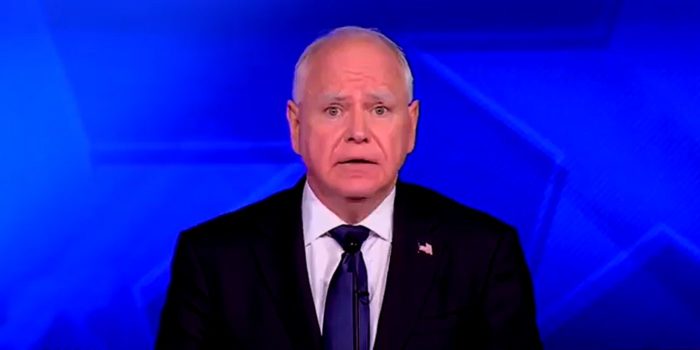
(Luis Cornelio, Headline USA) Embattled Minnesota Gov. Tim Walz’s $10 million forgivable loan plan for businesses purportedly affected by ICE operations sparked immediate criticism and comparisons to Minnesota’s pandemic-era fraud scandal.
Walz announced the program during a Thursday press conference in response to the Trump administration’s withdrawal of federal agents from the state.
Critics, including Republican lawmakers, quickly warned Walz’s program will open the door to widespread abuse, echoing the massive fraud tied to a similar COVID-era program.
At the press conference, Walz said, “We’re going to be proposing a reinstitution of our small business emergency fund. It’s what we used very successfully during COVID … We’re going to be proposing a first-time $10 million one-time targeted loans.”
Tim Walz offering one-time COVID like $10 Million dollar “forgivable” loan to small businesses effected by ICE. Because Minnesota hasn’t seen enough financial scams and because Minnesota is currently $72,922 million dollars in debt 🤦♀️Debt per citizen $13,048 pic.twitter.com/YU5CAyWp43
— Joni Job (@jj_talking) February 12, 2026
Walz framed the loans as a way to provide “breathing room” for businesses to maintain payrolls, claiming it could take “three” to “six months” for the state to fully recover from ICE’s presence.
State GOP Sen. Michael Holmstrom delivered a swift rebuke of the $10 million loan program, writing on X: “This is an immediate NO from me. MN taxpayers do not deserve to have more money stolen from them.”
This is an immediate NO from me.
MN taxpayers do not deserve to have more money stolen from them. https://t.co/2jyDS32zOJ
— Michael Holmstrom (@MichaelH_MN) February 12, 2026
Holmstrom’s criticism appears to point to Minnesota’s COVID‑19‑era relief program, which was later exposed for massive fraud involving some Somali American business owners and even prompted federal intervention under President Donald Trump.
During the pandemic, federal prosecutors stepped in after businesses exploited a federally backed reimbursement program by submitting invoices for meals that never existed. Worse still, some of the businesses themselves were entirely fabricated.
Altogether, the pandemic-era fraud cost the federal government an estimated $1 billion to $9 billion.